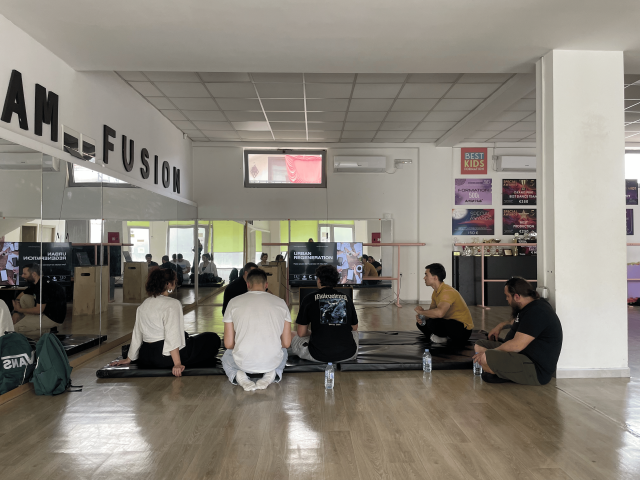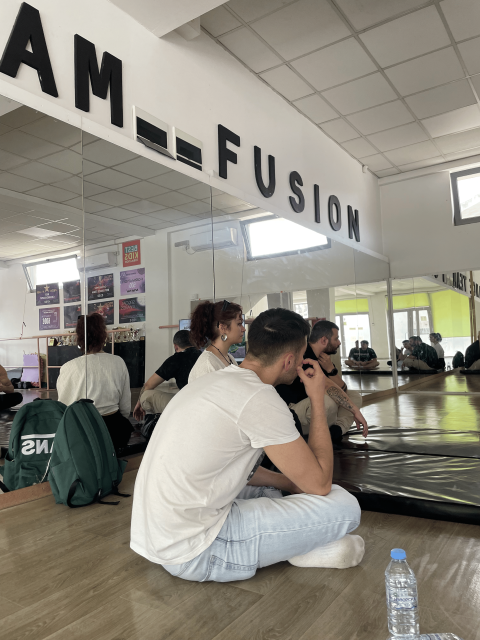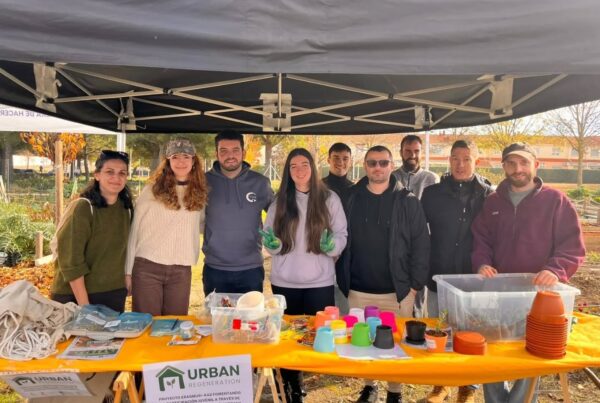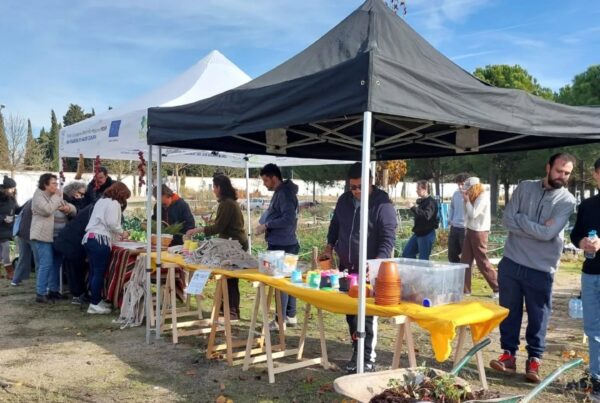

As part of the Erasmus+-funded KA2 project Urban Regeneration, the first local meeting in Kumanovo was successfully held, marking the beginning of a long-term process aimed at transforming abandoned and underused public spaces across Italy, Spain, and North Macedonia. The project focuses on sustainable urban regeneration through active youth participation, community engagement, and the creative use of recycled and repurposed materials.
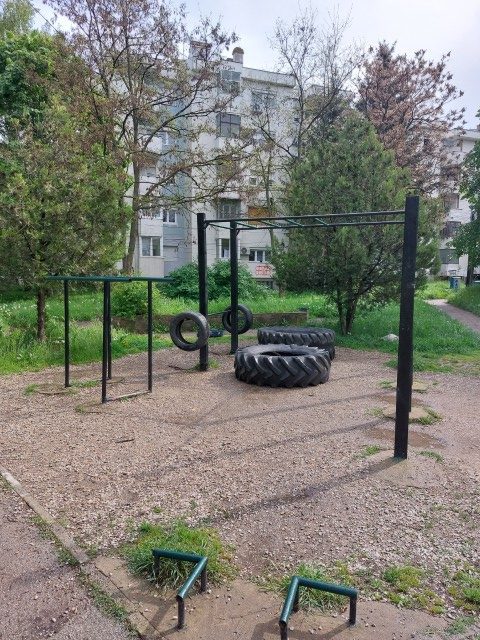
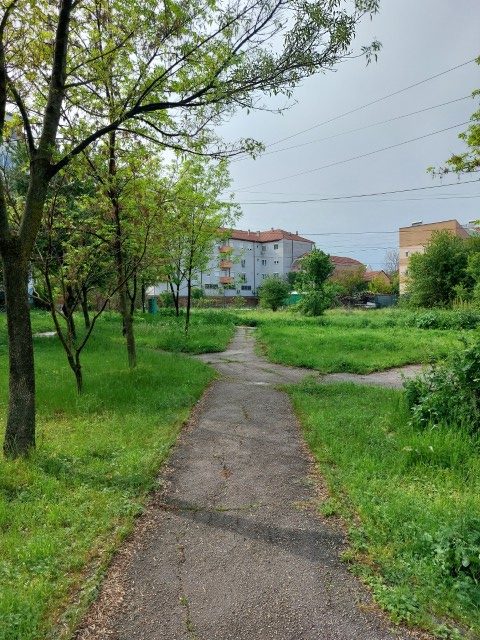
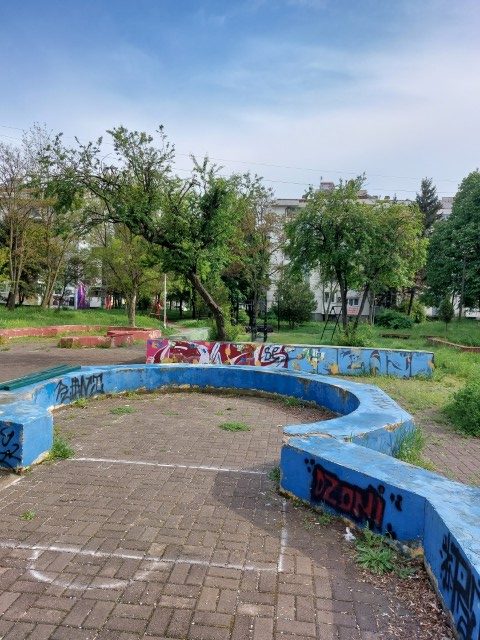
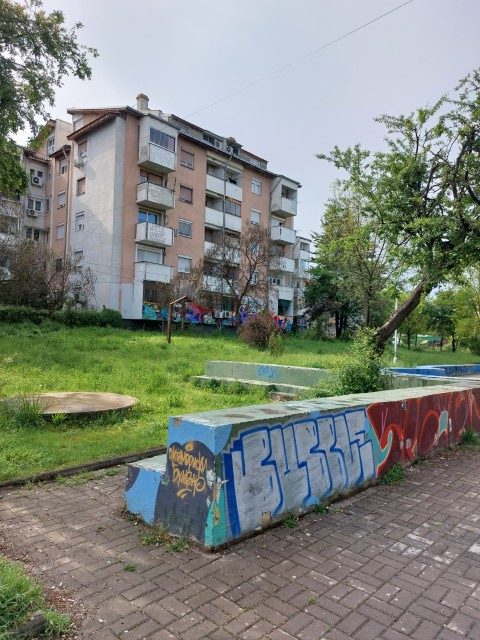
In cooperation with the volunteers of CET Platform, an abandoned park in Kumanovo was selected as the main local site to be revitalised over the next six months. The space was chosen due to its current condition — an overgrown green area with damaged concrete walls, a lack of benches and recreational elements, and a non-functional gazebo. Its potential for transformation made it the ideal starting point for the project.
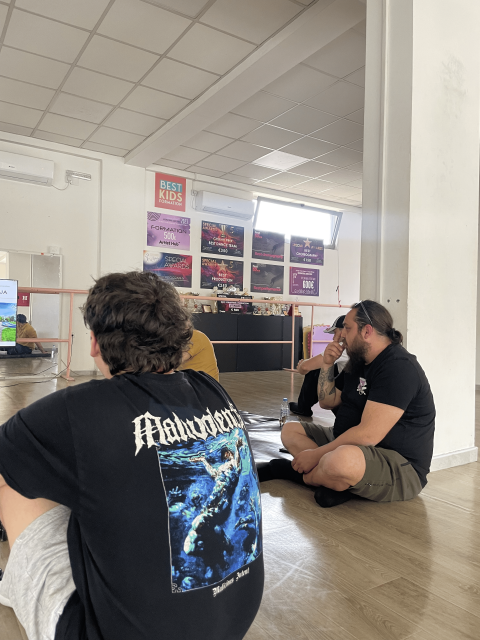
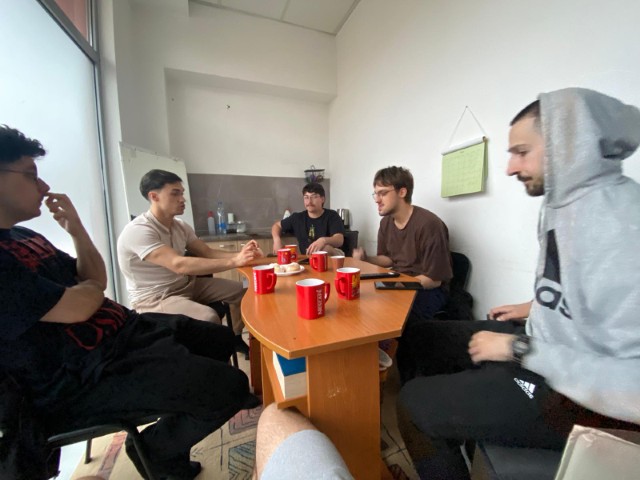
During the first meeting, young participants were introduced to the project’s overall concept, goals, and planned activities. The session focused on building a shared vision, discussing the financial framework, outlining next steps, and encouraging open dialogue. Following the introduction, the group visited the selected location and held a short brainstorming session, generating initial ideas on how the park could be transformed.
The second meeting was dedicated entirely to developing creative and practical solutions. Some of the ideas proposed by the young people included:
- Cutting the overgrown grass and clearing the park area
- Repairing and painting the concrete walls
- Adding new benches and tables
- Installing children’s equipment such as swings and play elements
- Creating vertical gardens and planting aromatic plants
- Setting up a small book-exchange library
- Designing murals and artistic illustrations throughout the space
The project aims not only to improve the physical environment but also to foster a sense of belonging among young people, encourage active citizenship, and raise awareness about ecological issues and sustainable urban development. The initiative will involve 20–30 local youth, along with residents, community organisations, and municipal representatives.
In the coming months, the project team will organise workshops on sustainability, urban regeneration, and creative reuse of materials, gradually implementing the ideas generated during the initial sessions. Through collaboration, creativity, and shared responsibility, the project will bring meaningful improvements to the local community and set an example of how small, local actions can lead to significant positive change.
The Urban Regeneration project demonstrates that thoughtful community involvement and youth-driven initiatives can reshape public spaces and contribute to a more sustainable future.